Capture product knowledge
Design rules and product choices become easier to share within the team.


Configurators capture product knowledge in rules, variants, models, bills of materials and exports. Recurring engineering work can then build on an established foundation.
We build on existing models, libraries, product rules and the process that needs the output.
Di-Tools is available on request. Contact us to discuss your requirements.
Product choices, models and rules are the starting point for the applications below.
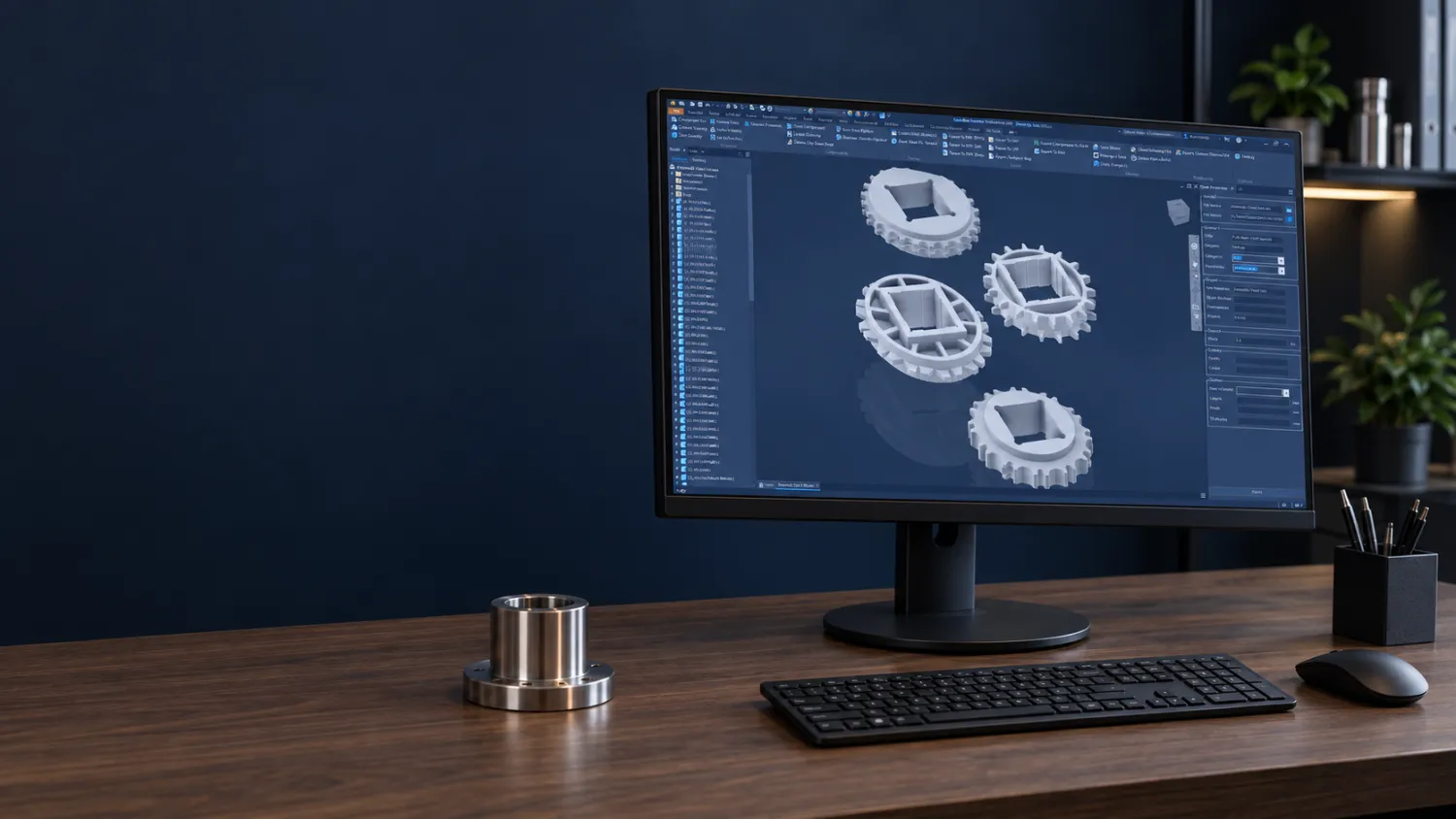
The specific output depends on the product and process. Where required, the solution provides sales models, production files, order lists or data for the next system step.
Design rules and product choices become easier to share within the team.
Each new variant builds on recorded product rules.
Models, drawings, bills of materials and exports follow the production or sales process.
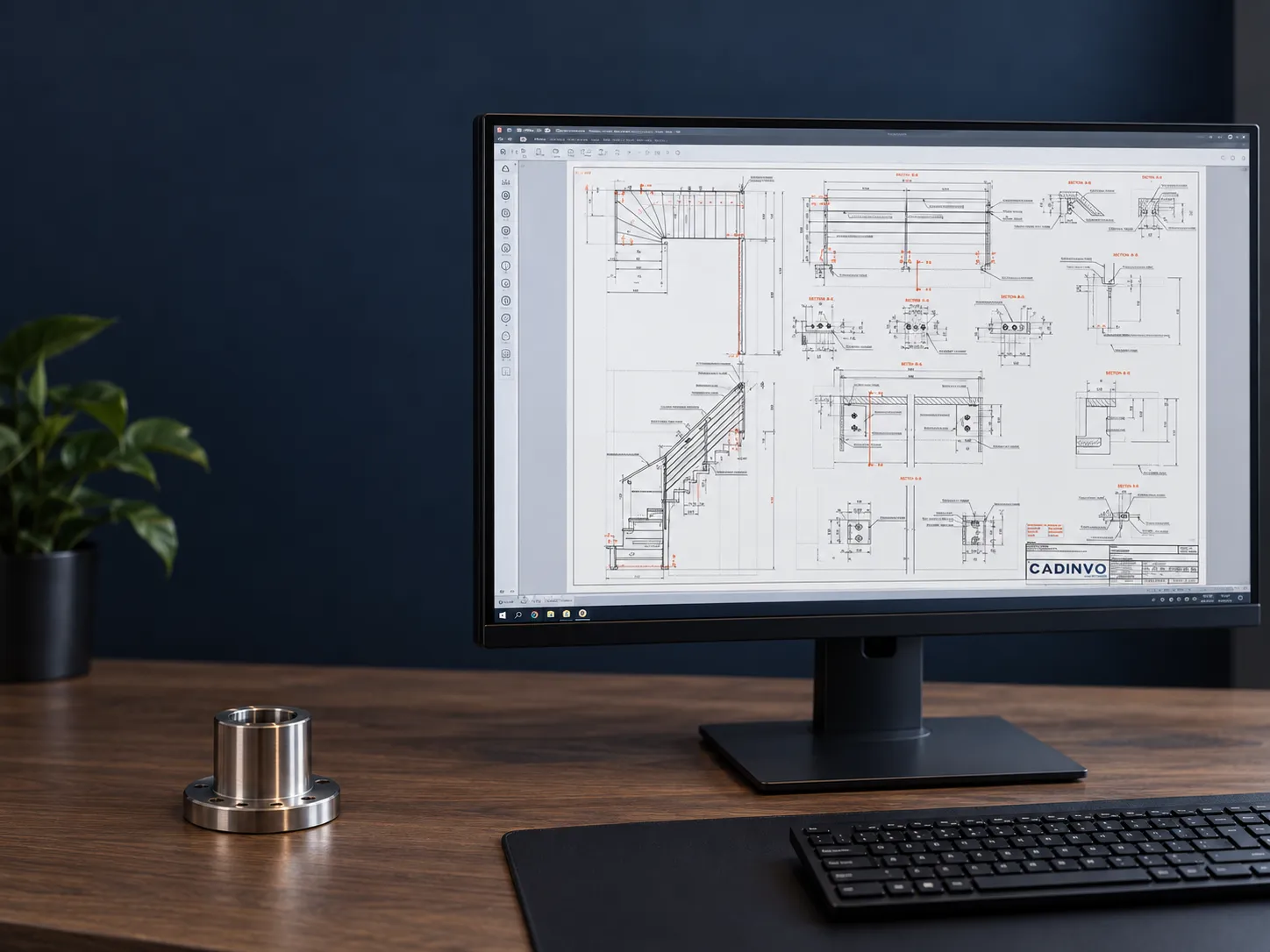
We start with the repetition that creates the most work and establish the rules, data and output required. This may involve extending an existing library, automating a modelling step or preparing a configuration process.
We agree in advance how the solution will be used and checked, who will maintain it and what the handover includes. We also define which maintenance and support after delivery form part of the assignment.
Explore workflows & AI →Not always. We first map the variants, rules, models and required output.
Yes. Existing models, templates and libraries form the starting point where possible.
No. The output depends on the product, client requirements and production process.
Dimensions and options are checked against product rules. The variant is then built and the agreed files are prepared.
Limits, exclusions and missing input must be clearly identified. An invalid choice is returned for review.
We compare representative variants, drawings, bills of materials and exports. Responsibility for release is agreed in advance.
We agree who maintains product rules, how changes are tested and which versions remain in use.
Which source takes precedence? What needs developing? Who reviews the result? We establish this before work begins.
Start with one product with recurring variants. Briefly describe what you have and what you want to receive. We’ll discuss the information and agreements needed to start.
Discuss your configurator requirements